How to Reach Home in LAST CALL
A practical walkthrough for finishing the ride when everything—and everyone—wants you to fail.
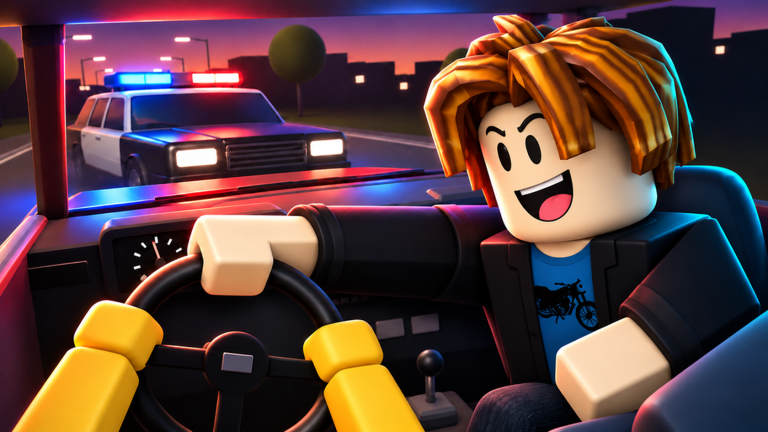
Reaching home is the entire punchline of LAST CALL [BETA]. The party is over, it is late, and the only objective that matters is arriving in one piece. TAZ Syndicate wraps that simple goal in asymmetric co-op: the driver navigates city streets and winding forest roads while the passenger sabotages controls, distracts, and fishes for police attention.
This walkthrough is destination-first. Use it with the driver guide for seat fundamentals, the passenger guide if you are the problem in the shotgun seat, and the tier list to predict which chaos spikes usually end runs. Beginners should still open Getting Started and controls once before grinding attempts.
Win condition, said plainly
Reach home safely to win. Crashes, unchecked heat, and uncontrolled cabin chaos are how runs die. Speed is optional. Survival is mandatory. If you remember only one sentence, remember that boring driving under pressure beats highlight-reel driving that feeds patrols.
Phase 0 — Before the wheels roll
- Join with a friend. The loop is built for two; solo vibes miss the sabotage fantasy.
- Pick seats on purpose. First-timers often put the calmer player on driving duty.
- Set a chaos agreement (light / medium / full villain) so the passenger knows the tone.
- Check codes and updates quickly—beta drops and messaging change what a “normal” night feels like.
- Remind each other: home is the goal, not endless drifting in circles for clips.
Phase 1 — Leave the party energy behind
The fantasy starts with “the night’s over.” Mentally switch from lobby jokes to route focus. Drivers should establish a stable baseline speed before the passenger opens the chaos menu. Passengers should resist the urge to brick the car in the first ten seconds; early fails teach nothing about the full city-to-forest arc.
Establish:
- A clean launch without sidewalk hops
- Eyes scanning for the first patrol silhouettes
- Voice callouts that are short (“cop ahead,” “saving chaos,” “forest soon”)
Phase 2 — City streets: visibility and suspicion
City segments reward patience. Wide sight lines mean police and unexpected encounters can notice flashy mistakes sooner.
Driver priorities
- Hold steady lanes and readable turns
- Treat horn and light sabotage as a cue to look more legal, not less
- Use short straights to heal composure, not to max speed into the next block
- If a drift is needed, keep it tight and intentional
Passenger priorities
- Probe with light distractions first
- Save hard steering mess for intersections or moments when a patrol is nearby but not yet locked on
- Listen for the driver’s breathing—when they sound comfortable, escalate
City success looks uneventful on purpose. If you exit downtown with low heat and a still-functional friendship, you are winning phase 2.
Phase 3 — Forest roads: rhythm and recovery
Forest roads compress mistakes. Winding paths encourage drifts the marketing copy loves, but trees and tight bends punish greed.
Driver priorities
- Enter corners slower than city habits suggest
- Separate “fun drift” from “required rotation”
- After any passenger yank, abort the hero line and re-stabilize before re-accelerating
- Watch for unexpected encounters that appear when you are already mid-correction
Passenger priorities
- Time sabotage for mid-bend commitments
- Combine lights with a short steering mess when canopy cover already hurts visibility
- Avoid endless spam on long connectors; silence makes the next bend scarier
Think of the forest as a rhythm game. Clean arcs between chaos spikes. Broken rhythm is how cars meet trunks.
Phase 4 — Police heat checkpoints
At least three times per run, run a heat check:
- Early city — Did the opening gags already paint you as suspicious?
- City-to-forest transition — Are you carrying noise and bad habits into tighter roads?
- Final approach — Are you speeding because home is close?
Whenever a check fails, both seats should briefly cooperate: passenger cools the cabin toys, driver deletes drama from the inputs. Temporary truces are strategy, not weakness. After the threat passes, the passenger can betray the peace—that is the genre.
Deep dive heat habits live in the driver guide; deep dive heat baiting lives in the passenger guide.
Phase 5 — The home stretch
Most friendships die in the last minute. Drivers smell victory and overdrive. Passengers smell blood and over-sabotage. Counter both instincts.
Driver home-stretch rules
- Shrink speed until the driveway fantasy is inevitable
- Ignore taunts that ask you to “just drift one more time”
- If heat is high, take the dullest possible line even if it costs seconds
Passenger home-stretch rules
- One quality combo beats ten weak pokes
- If you truly want the fail, stack steering mess with noise near the last risky bend
- If you want a legendary almost-win story, leave a tiny window—and narrate it
Crossing the threshold with the car intact is the win. Celebrate, swap seats, and run it back. Check the Players page if you are evaluating whether the beta loop is worth a longer session tonight, and skim scripts only if you understand the risks—this wiki does not invent loadstrings.
Failure autopsy template
When you do not reach home, spend thirty seconds on a blameless autopsy:
- Did we lose to raw mechanical crash, police pressure, or panic overcorrection?
- Which sabotage move started the death spiral? Cross-check the tier list.
- Did we skip a heat check?
- Was the forest entered too hot?
- Should seats swap before the next attempt?
Write nothing fancy—just say the answer in voice chat. Improvement in LAST CALL is mostly communication and composure, not secret gear grinds.
Route mindset myths
- “Faster always wins.” False. Intact arrival wins.
- “Any drift is good marketing.” False. Uncontrolled drifts feed fails.
- “Passenger should never help.” Mostly true mechanically, but brief truces near cops keep the story going.
- “Beta means tips are useless.” False. Role fantasy is stable even while TAZ Syndicate adds features, polish, and fixes—follow updates for changes.
- “I can learn only one seat.” False. Dual knowledge makes both the drive home and the sabotage sharper.
Suggested attempt ladder
- Training run — Passenger plays soft; driver learns city and forest pacing.
- Standard run — Medium chaos; both seats use callouts.
- Villain run — Full passenger pressure; driver practices recovery under fire.
- Seat reverse ladder — Repeat 1–3 with roles flipped.
Between ladders, return to the Guides Hub for sibling pages and keep Getting Started bookmarked for friends who join mid-week.
The emotional finish line
LAST CALL asks if your friendship can survive the ride home. The mechanical answer is a clean arrival. The real answer is whether you can laugh after a forest ditch, queue again, and still want that person in the other seat. Use this walkthrough to make arrivals more common—and failures more legendary.
Leave the party. Survive the city. Respect the forest. Manage the heat. Betray and forgive on the final bend. Then pull into home, still in one piece, and dare them to do it with seats swapped.
Frequently Asked Questions
Quick answers for drivers and passengers.
How do you win LAST CALL?
Reach home safely in one piece. The driver must finish the route while dealing with passenger sabotage, police patrols, and messy roads.
What matters more on the way home: speed or control?
Control. Suspicious or panicky driving raises police attention and turns passenger pranks into run-ending crashes.
When should the passenger ease off?
Briefly during heat spikes or right after a near fail so the round can continue—then strike again on the next bend or the home stretch.
Where do I learn seat-specific tips for the drive home?
Use the driver guide and passenger guide, and rank chaos tools on the tier list.